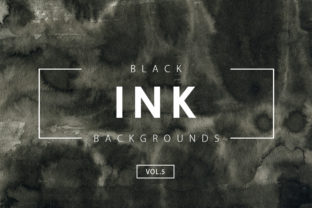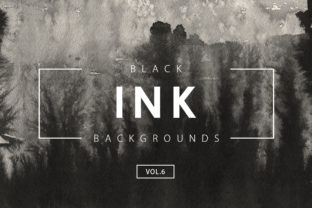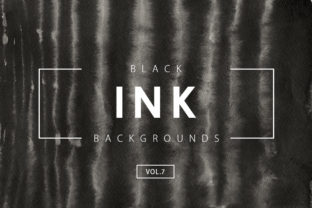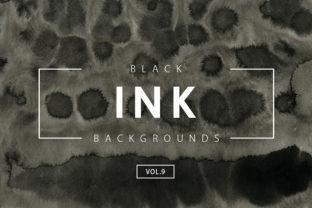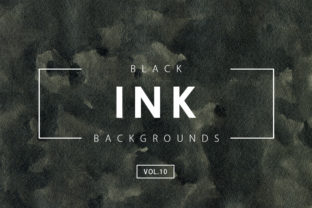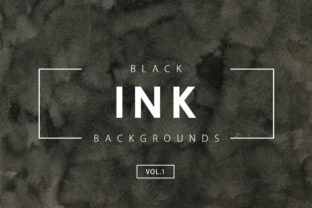
Black Ink Backgrounds 1: A Versatile Resource for Designers
Black Ink Backgrounds 1 offers a collection of high-resolution, professionally crafted backgrounds ideal for a wide range of design projects. Each of the 10 backgrounds is provided in JPG format with dimensions of 6000x4000 pixels and a resolution of 300 dpi, ensuring clarity and detail when used across various mediums. These textures are designed to add depth, contrast, and visual interest to graphic elements, cards, invitations, posters, web banners, presentations, and logos—both for digital and print use.
What Makes Black Ink Backgrounds 1 Unique?
Unlike generic stock images or basic patterned backdrops, Black Ink Backgrounds 1 focuses on the aesthetic and practical value of black ink textures. The collection emphasizes the organic, handcrafted feel of ink, which can evoke a sense of sophistication, mystery, or artistic flair. This makes it particularly appealing for designers looking to create a bold, minimalist, or dramatic visual identity.
The textures are not just simple black overlays; they incorporate subtle variations in tone, grain, and texture that mimic the natural imperfections of real ink on paper. This level of detail allows for more authentic and engaging designs, especially when paired with white or light-colored elements. The high resolution ensures that these backgrounds maintain their quality even when scaled up for large-format prints or detailed digital compositions.
Comparing Black Ink Backgrounds 1 with Similar Options
When evaluating design resources, it’s important to consider how Black Ink Backgrounds 1 stacks up against other available options. For instance, some designers may opt for plain black backgrounds or abstract patterns. While these can be effective, they often lack the character and dimensionality found in the ink textures provided by this collection.
Other background resources may focus on digital gradients, geometric shapes, or photographic elements. These alternatives can be useful for different design goals, but they may not offer the same tactile or artistic appeal as the handcrafted ink textures in Black Ink Backgrounds 1. The difference lies in the intention behind the design—while some backgrounds aim for simplicity or modernity, others seek to evoke a sense of craftsmanship and authenticity.
For those working on projects that require a strong visual contrast, such as wedding invitations, editorial layouts, or branding materials, Black Ink Backgrounds 1 provides a unique alternative to standard black or white backgrounds. It allows for more nuanced storytelling through texture, which can enhance the overall mood and message of a design.
Best Fit Situations for Black Ink Backgrounds 1
Black Ink Backgrounds 1 is particularly well-suited for projects that benefit from a dark, rich backdrop. This includes luxury branding, editorial design, art installations, and promotional materials where a dramatic effect is desired. The high resolution also makes it ideal for large-scale printing, such as posters, banners, or signage, where clarity and detail are essential.
Designers who work with typography may find these backgrounds especially useful. The contrast between text and the textured black surface can make fonts stand out more effectively, adding visual weight and emphasis. Additionally, the textures can serve as a base for layering graphics, illustrations, or other design elements, creating a cohesive and professional look.
For those experimenting with mixed media or collage-style designs, the organic nature of the ink textures can provide an interesting foundation. They can be combined with photographs, illustrations, or digital elements to create a layered, multidimensional composition that feels both modern and timeless.
Limitations and Tradeoffs
While Black Ink Backgrounds 1 has many strengths, it may not be the best fit for every project. For example, if a designer is aiming for a clean, minimal aesthetic, the complexity of the ink textures might be overwhelming. In such cases, simpler backgrounds or solid colors could be more appropriate.
Another consideration is the file size. At 6000x4000 pixels and 300 dpi, each background is a large file, which can impact performance when used in digital projects. Designers should ensure their software and devices can handle high-resolution files without compromising speed or quality. Additionally, while the RGB color mode is suitable for most digital applications, users working on print projects should verify that the colors will translate accurately to physical media.
It’s also worth noting that the collection is limited to 10 backgrounds. While this number may be sufficient for many users, those requiring a broader range of textures or styles may need to explore additional resources or combine this set with other background collections.
When to Choose Black Ink Backgrounds 1
Black Ink Backgrounds 1 is a strong choice for designers who want to add a touch of elegance, depth, or artistic expression to their work. It is particularly beneficial for projects that require a dark, textured background to enhance visual contrast or convey a specific mood. If a designer is looking for something beyond standard black or white backgrounds, this collection offers a compelling alternative.
For example, a designer creating a luxury brand identity might use one of the ink textures as a background for a logo or website header, giving the design a refined and sophisticated look. Similarly, a graphic artist working on a poster for a gallery exhibition could use the textures to create a visually striking layout that complements the artwork itself.
Readers who are considering Black Ink Backgrounds 1 should evaluate their specific needs and the context in which they plan to use the backgrounds. If the goal is to achieve a bold, artistic effect, this collection is likely to meet those expectations. However, if the project requires a more neutral or minimalist approach, other options may be more suitable.
Alternative Approaches and Resources
For those who prefer a more customizable or flexible solution, there are other ways to achieve similar results. Some designers create their own ink textures using digital tools or photography, allowing for greater control over the final outcome. This method can be time-consuming but offers the advantage of tailoring the texture to specific project requirements.
Additionally, there are numerous online marketplaces and design platforms that offer a wide variety of backgrounds, including abstract patterns, gradients, and photo-based textures. These resources can provide more options for users who want to experiment with different styles or mix and match elements from multiple sources.
Ultimately, the decision to use Black Ink Backgrounds 1 depends on the designer’s goals, preferences, and workflow. For those seeking a ready-made, high-quality resource that delivers a distinctive aesthetic, this collection can be a valuable addition to their design toolkit.