Mood Board Templates: A Creative Tool for Every Project
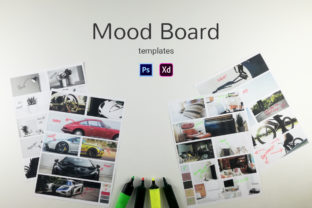
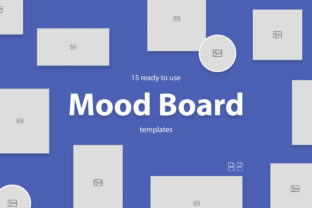
Mood board templates are an essential resource for anyone looking to bring their creative vision to life. Whether you're a designer, a business owner, or a student, these templates offer a structured and efficient way to organize ideas, colors, textures, and concepts. With two dimensions—A4 and Letter—these printable mood boards are ready to use, making them ideal for both digital and physical projects. Designed to work seamlessly with Adobe Photoshop CS5 and Sketch 3.8, they provide a professional foundation that can be customized to suit your unique needs.
What Are Mood Board Templates?
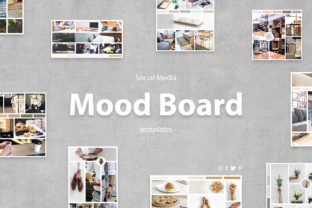
A mood board is a visual representation of a concept, often used in design, marketing, and creative fields to communicate style, tone, and direction. Mood board templates simplify this process by providing a pre-structured layout where you can place images, text, and other elements. These templates come in various formats, including A4 and Letter, ensuring compatibility with different printing and digital platforms.
Unlike blank canvases, mood board templates offer a clear framework that helps you focus on the most important aspects of your project. They allow you to experiment with color schemes, typography, and imagery without the need for advanced design skills. This makes them particularly useful for beginners or those who want to streamline their creative workflow.
Key Features of Mood Board Templates
- Ready-to-use structure: Save time by starting with a pre-designed layout instead of building from scratch.
- Printable format: Easily print your mood board for physical presentations or brainstorming sessions.
- Compatibility: Work with popular design software like Adobe Photoshop CS5 and Sketch 3.8 for digital editing.
- Customizable: Add your own images, text, and graphics to match your specific project requirements.
Why Use Mood Board Templates?
Mood board templates are more than just a design tool—they’re a practical solution for organizing thoughts and communicating ideas effectively. They help you visualize your project’s direction before committing to a final design, reducing the risk of costly revisions later on.
For professionals, these templates can serve as a quick reference during client meetings or team collaborations. For creatives, they offer a way to explore different styles and gather inspiration in one place. Even for non-designers, mood board templates provide an accessible way to express ideas visually, making them a valuable addition to any project toolkit.
Who Can Benefit from Mood Board Templates?
The versatility of mood board templates makes them suitable for a wide range of users:
- Designers: Use them to present concepts to clients or refine their creative direction.
- Business owners: Develop brand identities, marketing materials, or product designs with clarity and consistency.
- Students: Practice design principles and learn how to communicate visual ideas effectively.
- Freelancers: Showcase their work to potential clients or collaborate with teams on shared projects.
Whether you're working on a small personal project or a large-scale business initiative, mood board templates can help you stay organized and focused.
How to Use Mood Board Templates Effectively
Using mood board templates is straightforward, but there are a few best practices to keep in mind. Start by identifying the key elements of your project—such as color schemes, typography, and imagery—and then select a template that aligns with your goals. Once you have a template, fill it with relevant content that reflects your vision.
It's also helpful to update your mood board as your project evolves. This allows you to track changes, test different combinations, and ensure that your final design stays true to your original concept. By using mood board templates consistently, you can develop a more structured and efficient creative process.
Real-World Applications of Mood Board Templates
Mood board templates are used across various industries and scenarios. Here are a few examples:
- Interior design: Create a visual guide for furniture layouts, color palettes, and decor styles.
- Marketing campaigns: Develop a cohesive look for social media posts, advertisements, or email newsletters.
- Product development: Visualize packaging, branding, and user experience elements before production.
- Event planning: Design themes, color schemes, and visual elements for weddings, conferences, or parties.
In each of these cases, mood board templates provide a clear and organized way to communicate ideas, ensuring that everyone involved has a shared understanding of the project’s direction.
Strengths and Considerations
Mood board templates offer several advantages, including time savings, improved organization, and enhanced communication. However, they also come with some limitations. For example, while they provide a structured layout, they may not be as flexible as custom-designed boards for highly specific projects.
Additionally, the effectiveness of a mood board template depends on the quality of the content you add. A poorly curated board may not convey your vision clearly, so it’s important to choose relevant and high-quality images, fonts, and graphics.
When evaluating whether mood board templates are right for your project, consider factors such as your level of design experience, the complexity of your project, and the tools you have available. If you're new to design, starting with a template can be a great way to build confidence and develop your skills over time.
Getting Started with Mood Board Templates
If you're ready to try mood board templates, start by selecting a format that suits your needs. A4 templates are ideal for larger prints, while Letter-sized boards are perfect for desktop use or digital sharing. Once you have your template, gather the elements you want to include and arrange them in a way that reflects your vision.
Don’t be afraid to experiment with different layouts and content. The goal is to create a board that inspires and guides your project, so take the time to refine it until it feels right. With practice, you’ll find that mood board templates become an invaluable part of your creative process.
By incorporating mood board templates into your workflow, you can enhance your creativity, improve your communication, and achieve better results in your projects. Whether you're a seasoned professional or just starting out, these tools offer a practical and effective way to bring your ideas to life.