Orange Liquid Banner Element: A Modern Design Trend for Creative Professionals
In the ever-evolving world of design, visual elements play a crucial role in capturing attention and conveying messages effectively. One such element that has recently gained significant traction is the Orange Liquid Banner Element. This dynamic design feature combines vibrant color, fluid motion, and abstract forms to create visually stunning and engaging content. Whether you're designing a logo, flyer, or presentation, the Orange Liquid Banner Element offers a unique way to elevate your creative work.
What is the Orange Liquid Banner Element?
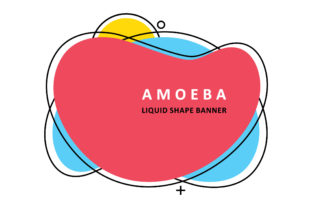
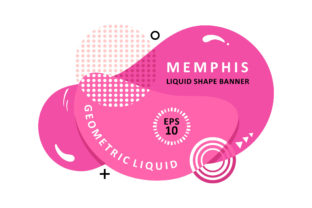
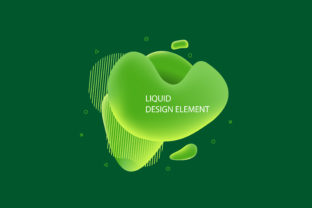
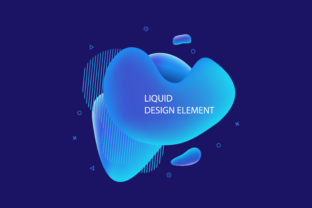
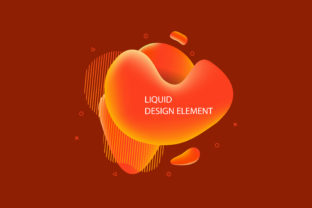
The Orange Liquid Banner Element refers to a digital design component characterized by its use of flowing, liquid-like shapes in a bold orange hue. These elements often incorporate gradient transitions, abstract forms, and 3D mesh effects to create a sense of movement and depth. Unlike static banners, the Orange Liquid Banner Element is designed to mimic the behavior of liquid, giving it a modern and futuristic feel.
This design trend is particularly popular among professionals in the fields of marketing, graphic design, and digital media. Its ability to convey energy, innovation, and creativity makes it an ideal choice for brands looking to stand out in a competitive market.
How It Fits Into Broader Industry Trends
The rise of the Orange Liquid Banner Element aligns with several broader trends in the design and technology industries. As businesses increasingly rely on digital platforms to engage with their audiences, the demand for visually striking and interactive content has never been higher. The Orange Liquid Banner Element meets this demand by offering a fresh and innovative approach to visual storytelling.
Moreover, the trend reflects a shift towards more immersive and dynamic user experiences. With the growing popularity of augmented reality (AR) and virtual reality (VR), designers are exploring new ways to integrate movement and interactivity into their work. The Orange Liquid Banner Element, with its fluid and animated qualities, is well-suited for these emerging technologies.
In addition, the use of bold colors like orange has become a key strategy in branding and marketing. Orange is associated with energy, enthusiasm, and creativity—qualities that resonate strongly with today's consumers. By incorporating the Orange Liquid Banner Element into their designs, professionals can leverage these associations to create more impactful and memorable visuals.
Why People Are Paying Attention to It
The Orange Liquid Banner Element has captured the attention of designers and marketers for several reasons. First, it offers a fresh and distinctive aesthetic that sets it apart from traditional design elements. In a world where visual monotony is common, the Orange Liquid Banner Element provides a much-needed injection of creativity and originality.
Second, it is highly versatile. Whether used as a background, a header, or a focal point, the Orange Liquid Banner Element can be adapted to suit a wide range of design needs. Its fluid nature allows it to blend seamlessly with other design elements, making it a valuable tool for both print and digital media.
Third, the Orange Liquid Banner Element is technologically advanced. Many of these elements are created using sophisticated software that enables precise control over color, shape, and motion. This level of customization ensures that designers can tailor the element to fit their specific needs and preferences.
Changing Needs and Preferences in the Design Industry
The increasing popularity of the Orange Liquid Banner Element reflects a broader shift in the design industry. As businesses and consumers become more discerning, there is a growing demand for high-quality, visually compelling content. This has led to a greater emphasis on innovation and experimentation in design practices.
Designers are no longer limited to static images and flat layouts. Instead, they are exploring new ways to incorporate movement, depth, and interactivity into their work. The Orange Liquid Banner Element exemplifies this trend by offering a dynamic and engaging alternative to traditional design elements.
Furthermore, the rise of remote work and digital collaboration has changed the way designers approach their projects. With more teams working across different locations, there is a need for design elements that are not only visually appealing but also easy to share and adapt. The Orange Liquid Banner Element, with its modular and flexible nature, is well-suited for this new workflow.
Practical Examples and Observations
Many successful brands have already embraced the Orange Liquid Banner Element in their marketing and design strategies. For example, tech startups often use this element in their website headers to create a sense of innovation and forward-thinking. Similarly, creative agencies incorporate it into their presentations to showcase their design capabilities and attract potential clients.
One practical application of the Orange Liquid Banner Element is in the creation of logos. By integrating fluid shapes and gradients, designers can create logos that are both modern and memorable. This approach is particularly effective for brands targeting younger, tech-savvy audiences who value creativity and uniqueness.
Another area where the Orange Liquid Banner Element shines is in the design of flyers and promotional materials. Its dynamic appearance can help grab attention and convey a message more effectively than traditional static designs. Additionally, the element's versatility allows it to be used in a variety of formats, from social media posts to print advertisements.
Connecting to Larger Developments
The Orange Liquid Banner Element is not just a passing trend—it is part of a larger movement towards more expressive and interactive design. As technology continues to evolve, we can expect to see even more innovative uses of this element in the future. For instance, advancements in AI-driven design tools may enable even greater customization and automation, making it easier for professionals to incorporate the Orange Liquid Banner Element into their work.
Moreover, the element's focus on fluidity and motion aligns with the growing interest in kinetic art and generative design. These disciplines explore the intersection of art, technology, and human interaction, and the Orange Liquid Banner Element represents a natural extension of these ideas. By embracing this trend, designers can position themselves at the forefront of the next wave of creative innovation.
Conclusion
The Orange Liquid Banner Element is more than just a visual gimmick—it is a powerful tool that can enhance the impact of your design work. Whether you're creating a logo, flyer, or presentation, this dynamic design element offers a fresh and engaging way to capture attention and convey your message. As the design industry continues to evolve, the Orange Liquid Banner Element is likely to remain a key player in the pursuit of innovation and creativity.