Baby Layered PSD Templates: A Powerful Tool for Custom Web Design
Creating a visually appealing website doesn’t always require advanced coding skills or extensive design experience. With the right tools, even beginners can produce professional-looking web pages. One such tool is the Baby Layered PSD Templates. These templates offer a flexible and efficient way to build custom page elements, backgrounds, and web sets without starting from scratch.
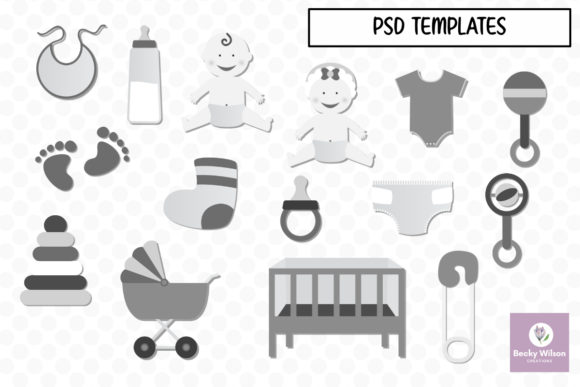
Each set includes 15 psd layered templates, designed with simplicity and usability in mind. Whether you're working on a personal project, a client’s website, or an e-commerce platform, these templates provide a solid foundation that you can easily customize to match your vision.
Why Choose Baby Layered PSD Templates?
The appeal of Baby Layered PSD Templates lies in their versatility and ease of use. Unlike generic templates that may limit your creativity, these layered files allow for deep customization. Each layer can be adjusted independently, giving you full control over colors, fonts, images, and other design elements.
This level of flexibility is especially useful for designers who want to maintain a consistent brand identity across multiple pages. By using the same template structure for different sections of a website, you can ensure visual cohesion while still allowing for unique variations where needed.
Another advantage is the time savings they offer. Instead of designing every element from scratch, you can focus on refining the details that matter most. This efficiency is crucial in fast-paced design environments where deadlines are tight and productivity is key.
Customizing Page Elements with Ease
One of the primary uses of Baby Layered PSD Templates is creating custom page elements. Whether it's a header, footer, call-to-action button, or navigation bar, these templates provide a structured layout that you can modify quickly.
For example, if you’re designing a landing page for a baby-related product, you can use a template to create a header that features a soft pastel background and a bold, readable font. You can then adjust the color scheme to match your brand or change the image to reflect the product you’re promoting.
These templates also make it easy to experiment with different layouts. If you’re unsure about the best way to arrange content on a page, you can try out various configurations using the same base template. This trial-and-error process helps you find the most effective design without starting over each time.
Designing Backgrounds and Web Sets
Backgrounds play a significant role in setting the tone of a website. With Baby Layered PSD Templates, you can create backgrounds that are both aesthetically pleasing and functional. The layered structure allows you to add textures, gradients, and overlays without affecting the rest of the design.
For instance, you might use one template to create a subtle gradient background that complements the overall theme of your site. Another template could feature a patterned texture that adds depth and visual interest. These options give you the freedom to choose what works best for your audience and brand.
Web sets—collections of related design elements like buttons, icons, and banners—can also be built using these templates. This ensures that all components of your website maintain a cohesive look and feel. Whether you're working on a blog, portfolio, or online store, having a unified design language enhances user experience and professionalism.
Integrating into Modern Workflows
In today’s digital landscape, collaboration and adaptability are essential. Baby Layered PSD Templates fit seamlessly into modern design workflows by supporting multiple file formats and integration with popular design software like Adobe Photoshop.
Designers can share these templates with team members, who can then make adjustments without disrupting the original structure. This collaborative approach is ideal for projects that involve input from various stakeholders, such as marketing teams, developers, or clients.
Moreover, these templates are compatible with responsive design principles. As more users access websites on mobile devices, ensuring that your designs look great on all screen sizes is crucial. Many Baby Layered PSD Templates are designed with responsiveness in mind, making it easier to adapt them for different platforms.
Practical Benefits for Different Industries
While Baby Layered PSD Templates are often associated with web design, their applications extend to various industries. For example, in the fashion sector, these templates can be used to create eye-catching product displays or promotional banners. In the education field, they can help design engaging learning materials or course landing pages.
Even small businesses can benefit from using these templates. A local bakery, for instance, might use a Baby Layered PSD Template to create a homepage that showcases its products and services. The ability to customize the template means the business can maintain a unique identity while still achieving a polished look.
Freelancers and independent designers also find value in these templates. They can use them to quickly prototype ideas for clients or to demonstrate different design concepts. This not only saves time but also helps in communicating design choices more effectively.
Recommendations for Effective Use
To get the most out of Baby Layered PSD Templates, consider the following tips:
- Start with a clear vision: Before diving into customization, define the purpose of your design and the message you want to convey.
- Experiment with layers: Don’t be afraid to explore different combinations of elements within the template structure.
- Use high-quality assets: Ensure that any images, fonts, or graphics you add are of professional quality to maintain the integrity of the design.
- Stay consistent: Apply the same design principles across all elements to create a harmonious and polished final result.
By following these guidelines, you can maximize the potential of Baby Layered PSD Templates and achieve results that meet both your creative goals and practical needs.