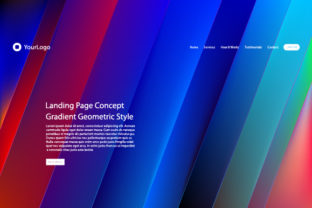
Flat and Gradient Concepts Explained
Flat and Gradient Concepts are design styles that blend simplicity with visual depth. They’re widely used in digital and print media to create clean, modern visuals. Whether you're a designer, marketer, or small business owner, understanding these concepts can help you make better choices for your projects.
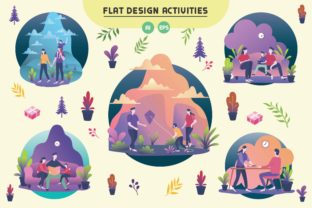
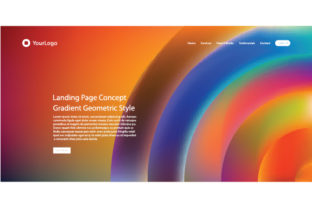
At their core, Flat Design focuses on minimalism. It uses simple shapes, solid colors, and no shadows or gradients. This approach makes designs look clean and easy to navigate. On the other hand, Gradient Concepts add a layer of complexity by blending colors smoothly. This creates a sense of depth and movement, making visuals more engaging.
What Makes Flat and Gradient Concepts Valuable?
Flat and Gradient Concepts offer a balance between style and functionality. They’re ideal for creating user-friendly interfaces, branding materials, and marketing assets. Their versatility means they can work across different platforms, from websites to social media posts.
One of the main benefits of these concepts is their adaptability. You can use them in both personal and professional settings. For example, a small business might use Flat Design for a logo to keep it simple and recognizable. A creative professional could use Gradient Concepts to add visual interest to a presentation or portfolio.
These design styles also support a wide range of color schemes and shapes. This flexibility allows for endless creativity while maintaining a cohesive look. Whether you prefer bold, bright colors or soft, subtle tones, Flat and Gradient Concepts can accommodate your vision.
How Are They Used in Real-World Scenarios?
Flat and Gradient Concepts are commonly found in web design, app interfaces, and graphic art. They help create a consistent visual language that’s easy for users to understand. For instance, many mobile apps use Flat Design to ensure a smooth and intuitive experience.
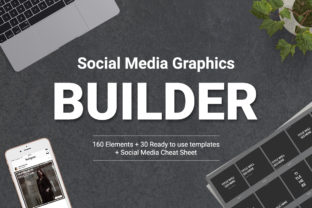
In the world of marketing, these concepts are used to create eye-catching banners, email templates, and social media graphics. The clean lines and vibrant colors make content more appealing and easier to digest. This is especially useful for businesses looking to stand out in a crowded digital space.
For educators and students, Flat and Gradient Concepts can simplify complex information. Infographics, presentations, and educational materials often use these styles to make data more accessible. The clarity and structure of these designs help learners focus on the content rather than the visuals.
Key Features of Vector Templates with Gradient Mesh Backgrounds
Vector templates with Gradient Mesh Backgrounds offer a powerful way to incorporate Flat and Gradient Concepts into your work. These templates are created using Adobe Illustrator and come in Encapsulated Postscript (EPS) format. This ensures high-quality output that scales without losing detail.
The 100 Vector designs included in these templates provide a variety of shapes and structures. Each one is editable, allowing you to customize colors, sizes, and layouts. This level of control makes it easy to tailor the designs to your specific needs.
All previews are in AI-EPS files, ensuring consistency in color and shape. This means you can see exactly how the final product will look before using it. It’s a great feature for designers who want to maintain a cohesive brand identity across different projects.
Why Choose These Templates?
There are several reasons to consider using vector templates with Gradient Mesh Backgrounds. First, they save time. Instead of starting from scratch, you can use pre-designed elements that already fit the Flat and Gradient Concepts style. This is especially helpful for beginners who may not have extensive design experience.
Second, these templates are highly customizable. You can change colors, adjust shapes, and modify layouts to match your brand or project requirements. This flexibility ensures that your designs remain unique and relevant.
Finally, these templates are compatible with a range of software, including Adobe Illustrator. This makes them easy to integrate into existing workflows. Whether you're working on a website, a print ad, or a digital campaign, these templates can enhance your creative process.
Things to Consider Before Using These Templates
Before diving into Flat and Gradient Concepts and vector templates, it’s important to understand your goals. What do you want to achieve with your design? Are you looking for a clean, minimalist look or something more dynamic and colorful? Answering these questions can help you choose the right tools and techniques.
Also, consider your skill level. While these concepts are accessible to beginners, some aspects of design require practice. If you’re new to graphic design, start with simple projects and gradually build your confidence. Online tutorials and design communities can be valuable resources as you learn.
Lastly, think about the context in which your design will be used. Will it appear on a website, a social media post, or a printed material? Different platforms may require adjustments to ensure the best results. Understanding these nuances can help you create more effective and professional-looking designs.