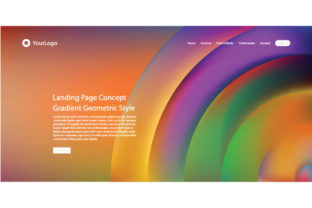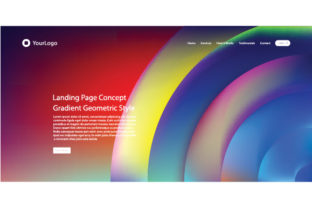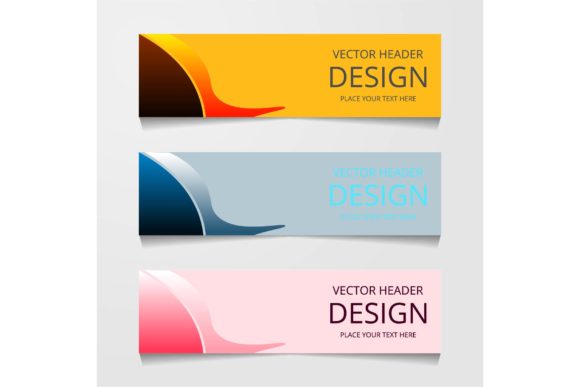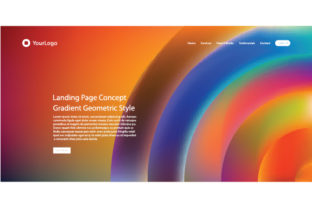
The Concept of Header Web Design and Vector of Template Web Header with Gradient Mesh Background Feature
Header web design plays a crucial role in the overall user experience of a website. A well-crafted header not only sets the tone for the entire site but also serves as a navigation hub, guiding users through different sections. When combined with vector templates that feature gradient mesh backgrounds, the result is a visually striking and highly functional design element.
One of the key advantages of using vector-based headers is their scalability. Unlike raster images, vectors maintain clarity at any size, making them ideal for responsive web design. This ensures that your header looks sharp on all devices, from mobile phones to large desktop monitors.
Understanding the Vector of Template Web Header
A vector template web header offers designers flexibility and precision. These templates are typically created in Adobe Illustrator and saved in formats like EPS (Encapsulated PostScript). This format allows for easy editing of colors, shapes, and other design elements without losing quality.
When working with a vector template, you can adjust the color palette to match your brand’s identity. The ability to edit colors and shapes means that the header can be customized to fit various projects and industries. Whether you're designing for a tech startup or a creative agency, the right header can make a significant difference in how your site is perceived.
Gradient mesh background features add another layer of sophistication to these headers. A gradient mesh allows for smooth transitions between colors, creating a more dynamic and engaging visual effect. This technique is especially useful when trying to convey a sense of depth or movement within a flat design framework.
Benefits of Using Editable Vector Headers
Editable vector headers offer numerous benefits for both designers and developers. One of the main advantages is the ease of customization. Since the design is built from vector graphics, you can modify individual elements without affecting the rest of the composition. This makes it simple to update the header as your brand evolves or as new design trends emerge.
Another benefit is the efficiency they bring to the design process. With pre-designed templates, you can save time by avoiding the need to create headers from scratch. This is particularly useful for teams working on multiple projects simultaneously. By using a consistent header design across different pages or sites, you can maintain a cohesive brand presence.
Vector headers also support a wide range of file formats, making them compatible with various design and development tools. Whether you’re using Adobe Illustrator, Sketch, or Figma, the ability to import and edit vector files ensures that your design work remains flexible and adaptable.
How Gradient Mesh Backgrounds Enhance Header Design
Gradient mesh backgrounds provide a unique way to add depth and dimension to a header. Unlike traditional gradients, which use a linear or radial transition between two or more colors, a gradient mesh allows for more complex and nuanced color blending. This technique can be used to create subtle shadows, highlights, and textures that enhance the visual appeal of the header.
When designing with gradient mesh, it's important to consider the balance between complexity and readability. While a gradient mesh can add visual interest, it should not overwhelm the header’s primary content. The goal is to create a design that is both aesthetically pleasing and functional.
For example, a gradient mesh can be used to subtly highlight a logo or navigation menu, drawing attention to key elements without distracting the user. It can also be used to create a sense of motion or energy, which is particularly effective for websites targeting younger audiences or creative industries.
Practical Applications of Vector Headers in Modern Web Design
Vector headers are widely used in modern web design due to their versatility and adaptability. They are particularly popular in industries such as fashion, technology, and digital marketing, where a strong visual identity is essential. By incorporating a custom vector header, businesses can differentiate themselves from competitors and create a memorable online presence.
One practical application of vector headers is in e-commerce websites. A well-designed header can help guide customers through the shopping process, making it easier for them to find products and complete purchases. Additionally, headers that include branding elements like logos and taglines reinforce brand recognition and trust.
Another scenario where vector headers are beneficial is in portfolio websites. For creatives such as graphic designers, photographers, and artists, a professional header can showcase their work and style effectively. The ability to customize the header’s colors and shapes ensures that it aligns with the individual’s personal brand.
Choosing the Right Vector Header for Your Project
When selecting a vector header for your project, there are several factors to consider. First, think about the purpose of the header. Is it meant to be a navigation tool, a branding element, or a combination of both? Understanding the header’s function will help you choose the right design elements and layout.
Next, consider the target audience. A header designed for a corporate website may require a more minimalist and professional look, while a header for a creative agency might benefit from bold colors and dynamic shapes. The design should reflect the personality and values of the brand it represents.
Finally, ensure that the vector header is compatible with your workflow. If you’re using Adobe Illustrator, look for templates that are saved in EPS format. This ensures that you can easily open and edit the file without any loss of quality. Also, check if the template includes all necessary layers and elements so that you can make changes efficiently.
By taking these considerations into account, you can select a vector header that not only meets your design needs but also enhances the overall user experience of your website.