The Concept Head of the Landing Page Vector Template Design
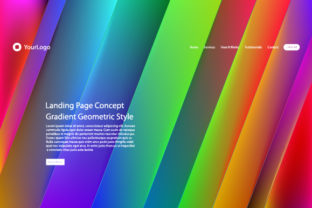
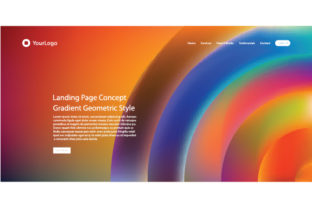
For designers, marketers, and entrepreneurs, a strong visual foundation is essential when creating a landing page. The Concept Head of the Landing Page Vector Template Design offers a powerful starting point with its clean, professional layout and customizable features. Whether you're launching a new product, promoting a service, or building a brand presence, this template provides a structured yet flexible framework that can be tailored to your specific needs.
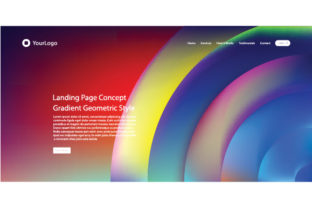
This vector template includes 100 editable vectors, allowing for extensive customization without compromising quality. It also supports gradient mesh backgrounds, giving your design a modern, dynamic feel. The file is available in Encapsulated Postscript (EPS) format, ensuring compatibility with Adobe Illustrator and other design software. All previews are provided in AI-EPS files, maintaining consistent color and shape across different platforms.
Common Mistakes When Using Vector Templates
While vector templates can save time and effort, they are not a one-size-fits-all solution. One common mistake is assuming that a template will automatically produce a high-quality design. In reality, the success of a landing page depends on how well the template is adapted to your brand’s identity and audience. For example, using a generic template without adjusting colors, fonts, or layout can lead to a design that feels unoriginal or mismatched.
Another frequent error is overlooking the technical details of the file format. Many users download templates without checking if they are compatible with their design software. The Concept Head of the Landing Page Vector Template Design comes in EPS format, which is widely supported but may require specific tools for full editing. If you’re not familiar with Adobe Illustrator, you might struggle to make necessary adjustments, leading to frustration and delays.
Why Gradient Mesh Backgrounds Matter
Gradient mesh backgrounds add depth and visual interest to a landing page, but they can also be tricky to implement correctly. Some users attempt to apply gradients without understanding how they interact with other elements. This can result in a cluttered or confusing design. For instance, a busy gradient might overpower text or images, making it difficult for visitors to focus on key messages.
A better approach is to use gradients strategically. Test different combinations and ensure that the background enhances, rather than distracts from, the main content. With the Concept Head template, you can experiment with various mesh configurations while maintaining control over the final output.
Customizing Colors and Shapes Effectively
The ability to edit colors and shapes is one of the most valuable features of this template. However, many users rush through this process, applying random colors without considering their impact on readability and user experience. For example, using low-contrast text on a dark background can make your message hard to read, especially on mobile devices.
To avoid this, take the time to choose a color palette that aligns with your brand and improves usability. Use the template’s editable features to test different combinations and ensure that all elements work together harmoniously. This attention to detail can significantly improve the overall effectiveness of your landing page.
What to Check Before Using the Template
Before diving into design, verify that the template meets your project’s requirements. Check the file size, resolution, and compatibility with your software. Also, review the documentation provided by the template creator to understand any limitations or recommended practices.
Another important step is to examine the preview files. The Concept Head template includes AI-EPS previews that show how the design will look in different formats. Use these as a reference to ensure that your final design matches your expectations. If something doesn’t look right, don’t hesitate to make adjustments before finalizing your work.
Choosing the Right Template for Your Needs
Not all templates are created equal. Some may offer more features than you need, while others might lack essential elements. When evaluating the Concept Head of the Landing Page Vector Template Design, consider whether it aligns with your goals and skill level. If you’re new to design, look for templates with clear instructions and intuitive controls. Experienced designers may prefer more advanced options that allow for deeper customization.
Additionally, think about the purpose of your landing page. Is it for a product launch, a marketing campaign, or a personal portfolio? The right template should support the specific function of your page. Avoid choosing a template based solely on aesthetics—make sure it serves a practical purpose as well.
Final Tips for Successful Design
Once you’ve selected the template, take a methodical approach to the design process. Start with a rough sketch or wireframe to outline the structure of your page. Then, gradually add visual elements, testing each change to ensure it contributes to the overall goal. Use the template’s editable features to refine your design, but don’t be afraid to make bold decisions when needed.
Finally, always review your work from the perspective of the end user. Ask yourself: Does this design communicate the intended message clearly? Is it easy to navigate? Will it engage and convert visitors? By focusing on these questions, you can create a landing page that not only looks great but also performs well.