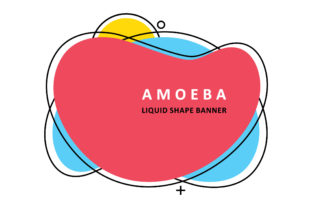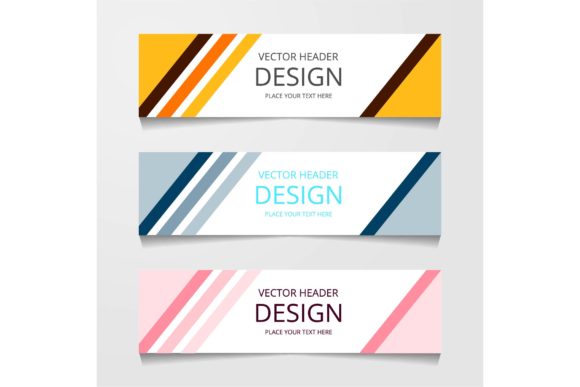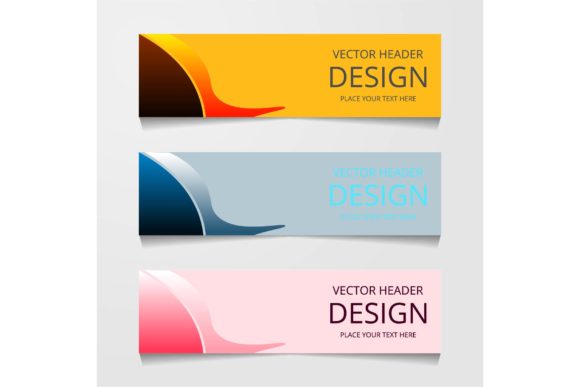
Vector Design Banner Background
Vector design banner background offers a versatile and scalable solution for digital and print projects. Unlike raster images, which lose quality when resized, vector graphics maintain sharpness at any scale. This makes them ideal for banners that need to adapt across multiple platforms, from websites to social media and even physical signage.
What sets vector design banner background apart is its precision and flexibility. Designers can easily modify colors, shapes, and elements without compromising clarity. This level of control allows for creative experimentation while ensuring the final output remains professional and polished.
For creators, marketers, and business owners, vector design banner background provides a foundation for visually striking content that aligns with brand identity. Whether you're launching a new product, promoting an event, or building a website, a well-crafted vector banner can elevate your message and engage your audience effectively.
Exploring Creative Possibilities
The beauty of vector design lies in its adaptability. From minimalist layouts to intricate patterns, there's a style to suit every project. For instance, a modern tech startup might use clean lines and geometric shapes to convey innovation, while a lifestyle brand could incorporate organic forms and soft gradients to evoke warmth and approachability.
Consider using vector design banner background for:
- Website headers that match your site’s overall aesthetic
- Social media posts that stand out in crowded feeds
- Print materials like posters, flyers, and brochures
- Email newsletters that reinforce brand messaging
Each application benefits from the scalability and clarity of vector graphics. You can create a single design and reuse it across different formats, saving time and maintaining consistency.
Applications Across Industries
Vector design banner background is not limited to a single industry. Its universal appeal makes it valuable for a wide range of users:
- Entrepreneurs: Use vector banners to promote products or services on e-commerce sites and social media.
- Designers: Incorporate vector elements into their portfolios to showcase technical skills and creativity.
- Marketers: Create eye-catching ads that adapt to different platforms without losing quality.
- Educators: Develop engaging presentations or learning materials with clear, professional visuals.
By tailoring vector designs to specific needs, users can ensure their work resonates with the intended audience. For example, a nonprofit organization might use a bold, high-contrast vector banner to highlight a cause, while a fashion brand could opt for sleek, elegant designs that reflect their style.
Practical Tips for Effective Design
Creating a successful vector design banner requires more than just technical skill—it also involves thoughtful planning. Start by defining the purpose of the banner. Is it to inform, persuade, or entertain? Understanding the goal will guide your design choices.
Next, consider the target audience. A banner for a younger demographic might feature vibrant colors and dynamic shapes, while one for a professional setting could lean toward simplicity and sophistication. Always keep the user experience in mind, ensuring the design is easy to read and navigate.
Another key factor is consistency. Align your vector design with existing brand guidelines, including color schemes, typography, and visual motifs. This helps reinforce brand recognition and creates a cohesive look across all materials.
Finally, test your design in different contexts. View it on various devices and backgrounds to ensure it remains visible and effective. A banner that looks great on a desktop may not perform as well on a mobile screen, so optimize for all possible scenarios.
Staying Original and Audience-Friendly
While trends can inspire, originality is crucial for standing out in a competitive space. Vector design banner background allows for unique interpretations without sacrificing functionality. Experiment with textures, layering, and interactive elements to add depth and interest.
At the same time, prioritize clarity. Avoid overcrowding the design with too many elements. Focus on a single, strong message that communicates effectively. Use negative space wisely to guide the viewer’s attention and enhance readability.
For audience engagement, think about how the banner will be used. Will it be part of a larger campaign, or is it a standalone piece? Adjust the complexity and detail accordingly. A banner that serves as a primary call-to-action should be straightforward and direct, while one used for storytelling can be more elaborate and expressive.
Conclusion: Embrace the Power of Vector Design
Vector design banner background is more than just a visual element—it’s a powerful tool for communication and expression. By leveraging its strengths, users can create compelling, adaptable designs that meet their specific goals and resonate with their audiences.
Whether you're a designer looking to expand your toolkit or a business owner seeking to enhance your brand presence, vector design offers endless possibilities. With careful planning, creativity, and attention to detail, you can turn a simple banner into a memorable and impactful piece of work.